Jason Green on Too Precious To Lose: Building Black Community That Lasts
Short answer: “Too Precious To Lose” is the book by attorney, community organizer, and former Obama White House aide Jason Green about building Black community that actually lasts. It grew out of the buried history of Quince Orchard, Maryland — a story his grandmother helped him uncover — and the hard question George Floyd’s murder forced him to sit with: how do you keep building when the country keeps breaking your heart?
Some conversations are about the news. This one is about legacy. Big O sat down with Jason Green — attorney, storyteller, and author of “Too Precious To Lose” — for an honest talk about family, memory, and the work of building Black community that outlasts us.
Who is Jason Green?
Jason Green is a Maryland-born community organizer, attorney, storyteller, and entrepreneur. He served in the Obama administration as a special assistant and associate White House counsel, co-founded SkillSmart — a company that reshapes how communities measure their own economic impact — and directed and produced the award-winning documentary “Finding Fellowship,” which uncovers the rich, buried history of Quince Orchard, Maryland. That body of work led him to write “Too Precious To Lose.”
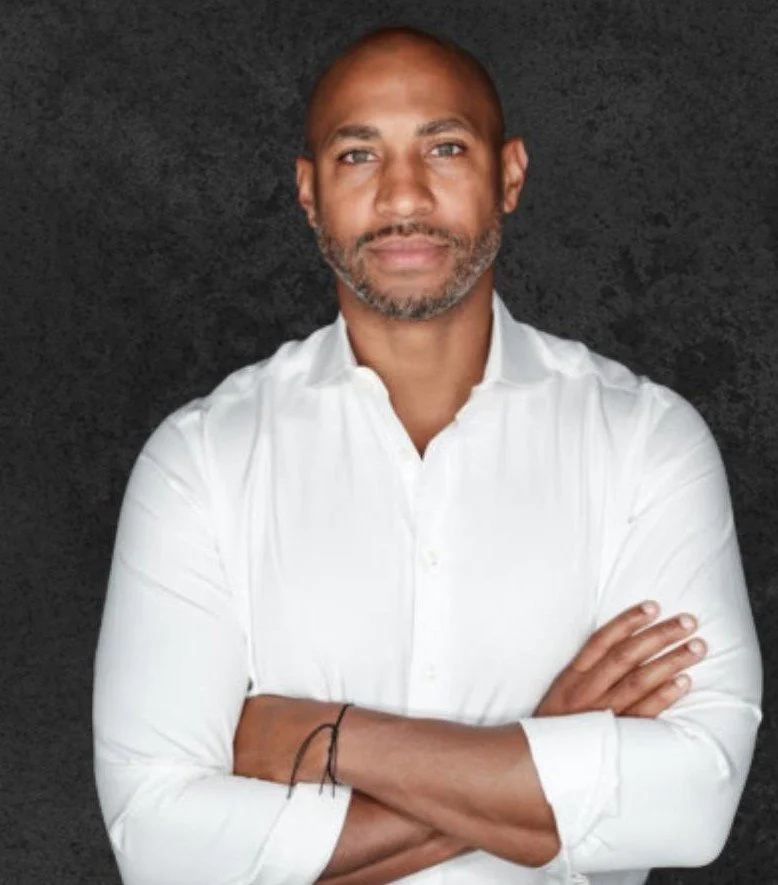
What “Too Precious To Lose” is really about
This isn’t a memoir about proximity to power. It’s about family, legacy, and the fight to build strong, connected communities in a country that doesn’t always want you to. Green’s argument is that Black community isn’t an accident of geography — it’s built, deliberately, generation over generation, and it can be lost just as easily if no one tends to it. The title is the thesis: what our people built is too precious to lose to neglect, to forgetting, or to despair.
The buried history a grandmother unlocked
The spark was personal. Green’s grandmother — the keeper of the stories — pointed him toward the people he needed to talk to, and what started as family memory became a documentary and then a book. In collecting oral histories around Quince Orchard, he found something bigger than nostalgia: a blueprint. He shared a detail that stops you cold — that his hour-long interview with an elder often becomes the single most comprehensive archive of that person’s entire life. His public service announcement to the rest of us was simple: “You get to sit with your loved ones. Make the time. Don’t wait for the time.” Not only because it fills the gaps in history, but because it makes you better.
What George Floyd forced him to confront
The book carries a harder weight, too. After the murder of George Floyd in 2020, Green wrestled with a question a lot of us buried instead of answered: how do you keep building community when the country keeps breaking your heart? His answer wasn’t to retreat. It was to double down on pluralism and on the resilience his ancestors modeled — to treat their example not as a museum piece but as instructions. Recognize the lessons they left, he argues, and apply them today.
Why this matters for the rest of us
You might be thinking you don’t have a story like his. Green heard that directly — a friend from law school told him, “I don’t have a Grandma Pearl, I don’t have a community story like this. I’m going to use yours.” That, Green says, is exactly the point. The stories are meant to be shared so the rest of us feel connected — to them, to our own families, and to our own places of origin — and then go build resilient, connected communities rooted in deep respect. It’s the whole spirit of what we do here: don’t just mourn what’s fading. Tend it.
We sit down with the people building something that lasts — every week. Watch the full conversation below, and become part of the family.
In The Black Podcast — Informed. Intelligent. In The Black.